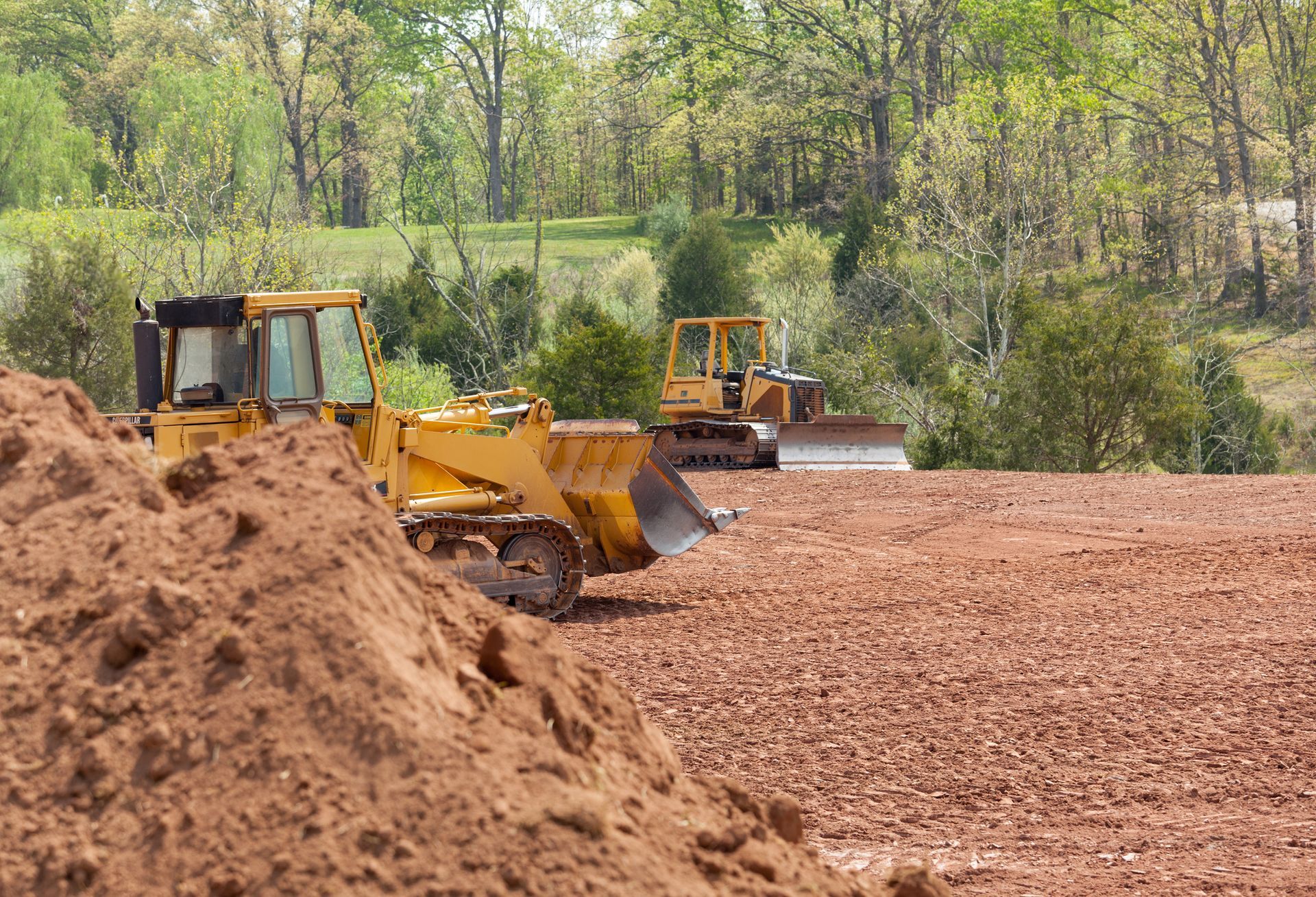

Land Clearing for New Construction in Memphis: What Contractors Do Before Breaking Ground (2026)
Before breaking ground on any new build, contractors in Memphis, TN, follow a structured series of steps known as construction land clearing.
Understanding that process helps developers, property owners, and general contractors plan more effectively. This article walks through every major phase, from the initial site assessment to debris hauling, along with the Tennessee-specific permits that apply to Memphis-area projects.
What Happens During a Site Assessment Before Clearing Begins
A site assessment is the first step any qualified contractor takes before moving equipment onto your property. The crew walks the land to map vegetation density, identify protected trees, locate underground utilities, and flag drainage concerns. In Memphis, TN, lots near the Wolf River Corridor or low-lying areas around Whitehaven can carry hidden drainage challenges that must be addressed before equipment arrives.
Contractors also use this stage to identify whether the lot borders wetlands or waterways. Memphis sits within Shelby County along the Mississippi River flood plain, meaning certain parcels trigger additional environmental review. Catching these issues early prevents costly stop-work orders later.
How Does Tree and Stump Removal Work on a Memphis Construction Site?
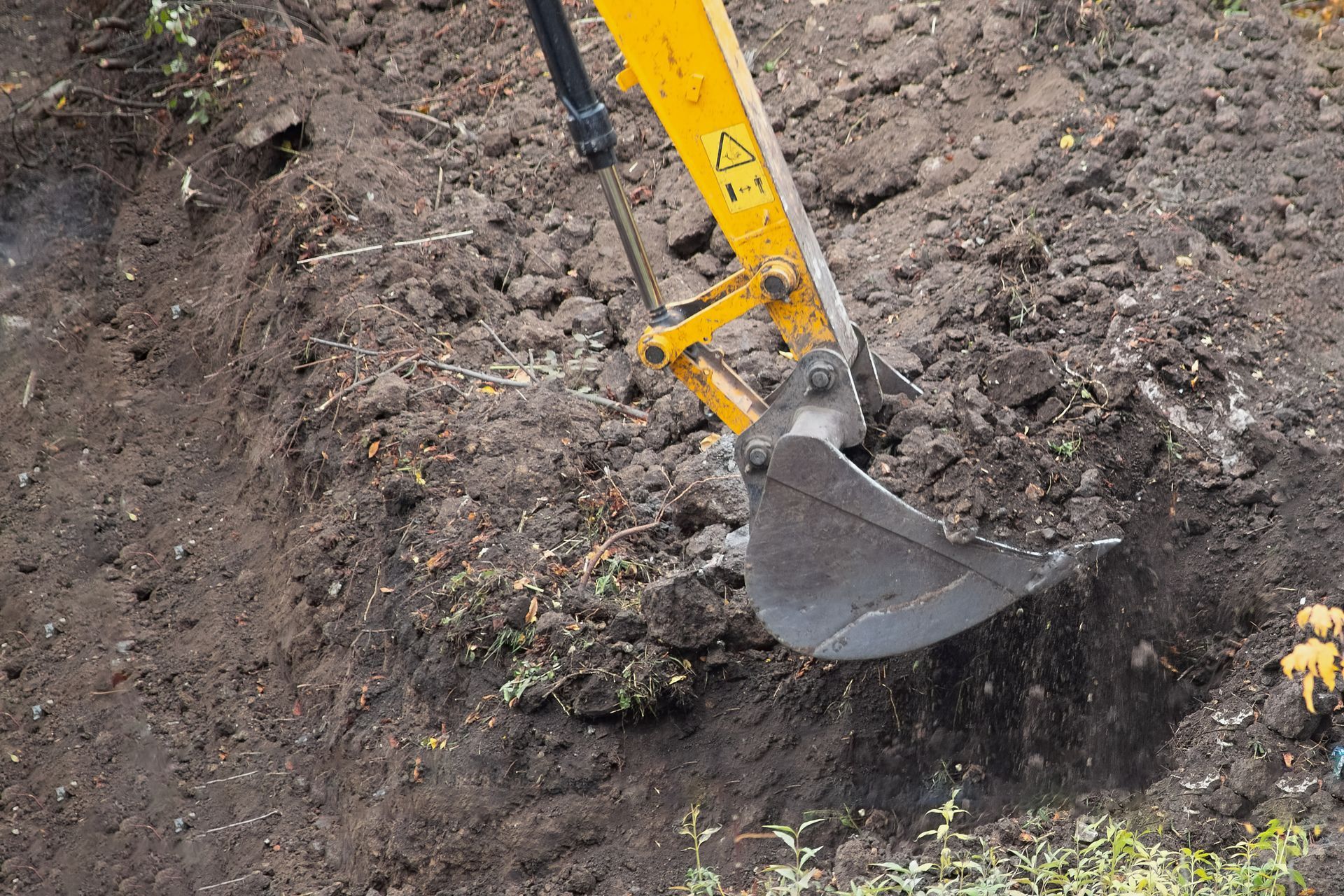
Tree and stump removal is often the most visible phase of construction land clearing in Memphis, TN. Mature hardwoods common to Tennessee, including oaks and hickories, may require large-capacity equipment and careful directional felling. Urban-edge lots in areas like Cordova or Germantown frequently sit adjacent to existing structures, so close-quarters techniques matter.
Stumps must be fully extracted rather than just ground down, especially when the foundation footprint sits nearby. Leftover root systems can destabilize compacted soil over time. Contractors typically haul the wood or chip it on site depending on volume and local logistics.
Grading and Drainage Planning After Clearing
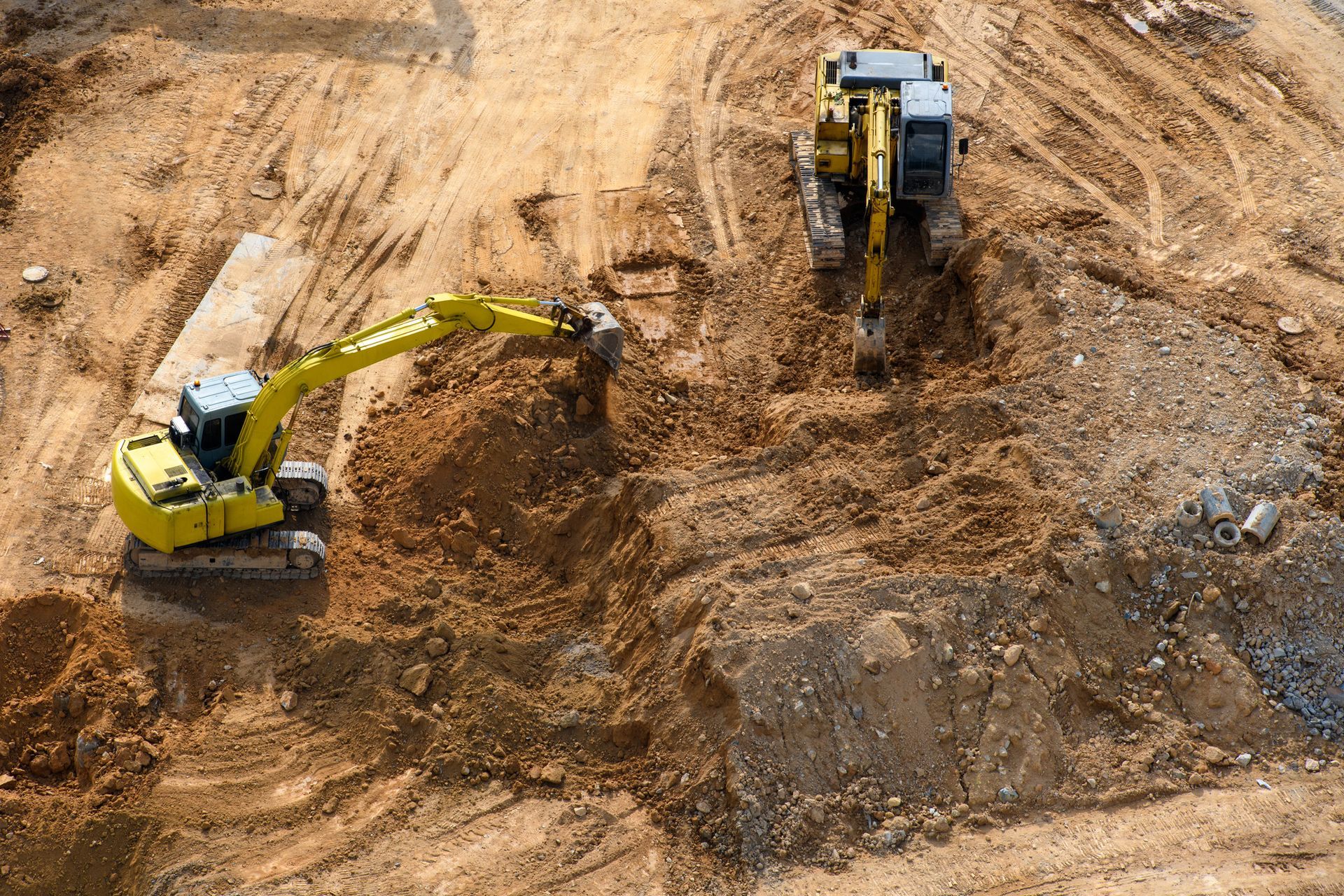
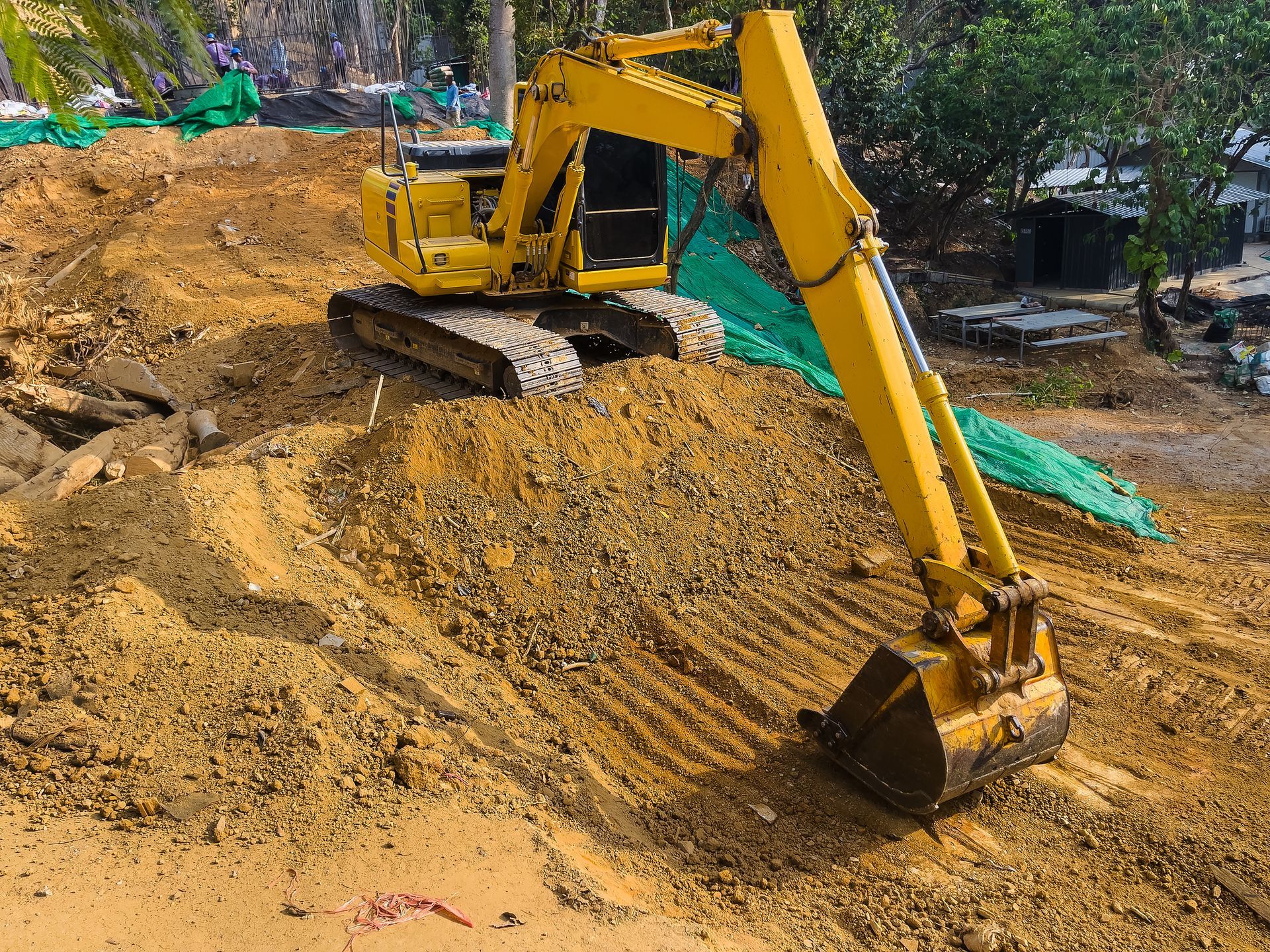
Proper grading shapes how water moves across a cleared site. Memphis receives significant rainfall, and flat or bowl-shaped lots can pool water quickly if grading is not addressed before construction begins. Contractors slope the site away from the planned building footprint toward established drainage paths or detention areas, which also ties into local stormwater requirements.
Debris Hauling and Site Cleanup
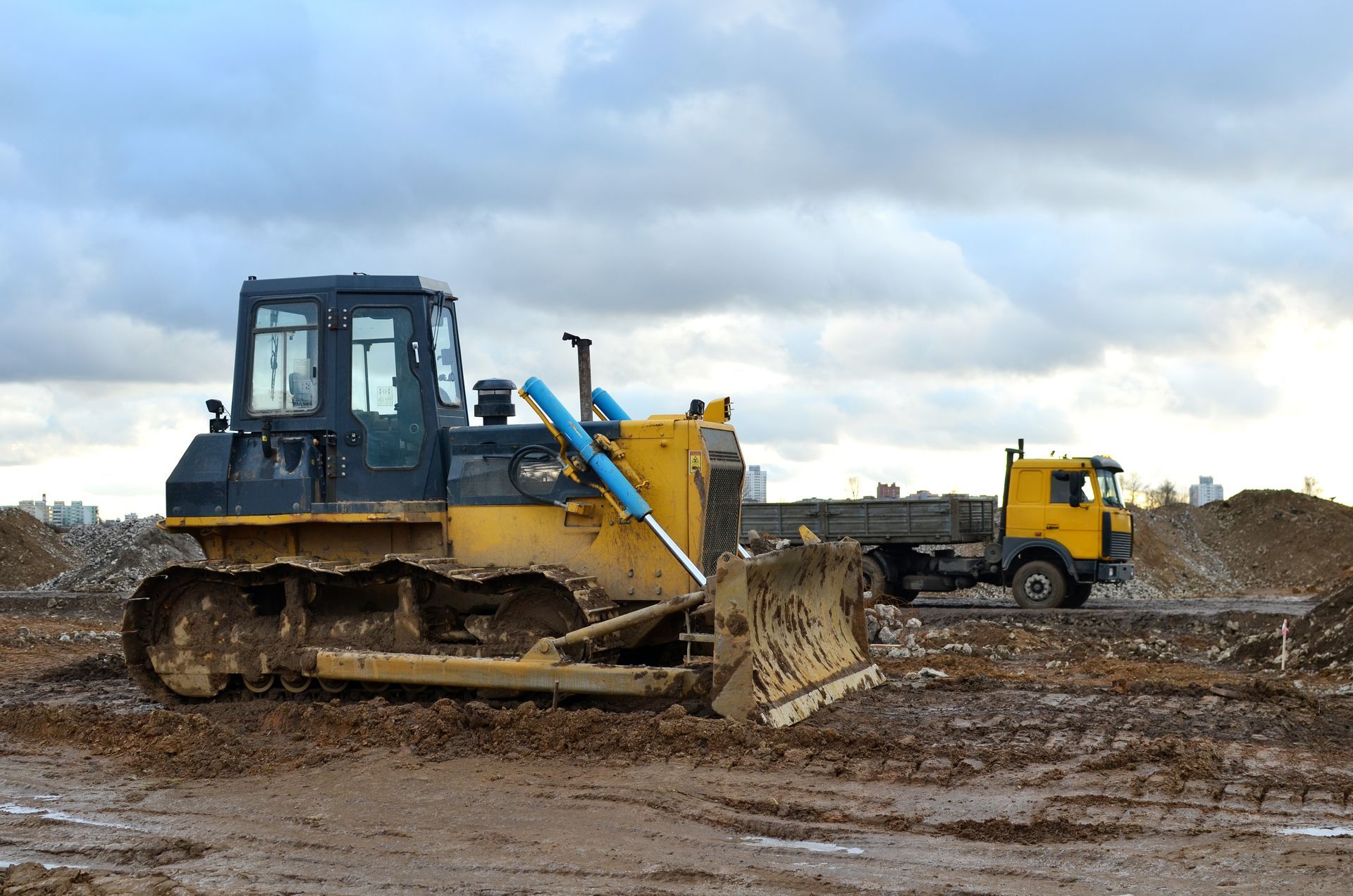
After vegetation is removed and grading is roughed in, debris hauling brings the site to a clean, build-ready condition. This includes brush piles, root balls, rocks, and legacy material from prior land use. Memphis urban-edge lots sometimes contain old fencing, buried concrete, or prior utility lines that must be removed or properly abandoned before foundation work begins.
Tennessee and Memphis Permit Requirements for Land Clearing
Permits are a non-negotiable part of any construction land clearing project in Memphis. Projects disturbing 1 acre or more must prepare a Stormwater Pollution Prevention Plan (SWPPP) and file a Notice of Intent with TDEC under Construction General Permit TNR100000. Most projects also need a local Erosion Control Plan reviewed against Stormwater Management Manual 3.0, effective February 1, 2025.
Projects disturbing under 1 acre typically do not require a state stormwater permit unless they are part of a larger common plan of development that disturbs 1 acre or more in total. Projects disturbing 1 to under 5 acres require TDEC EDMR registration, a SWPPP, and permit authorization before soil disturbance begins.
Building permits in Memphis are issued by Construction Code Enforcement (CCE) within the Memphis and Shelby County Division of Planning and Development. Applications are submitted through the Develop 901 Citizen Portal. Requirements can also differ depending on whether the property is inside city limits or in an unincorporated area of Shelby County.
How Memphis Terrain and Urban-Edge Lots Affect the Clearing Process
Memphis terrain is not uniform. Eastern suburbs like Collierville and parts of Bartlett feature rolling terrain with clay-heavy soils that compact differently than sandier lots closer to the river. Clay soil holds water longer, which can complicate grading and equipment timing. Experienced contractors monitor moisture conditions before running heavy machinery.
Urban-edge lots often carry mixed vegetation including mature timber, scrub brush, and invasive species like kudzu or privet. These lots take longer to clear than rural acreage because density and species variety require more handling steps. Memphis summers bring high heat and humidity that affect crew scheduling, so projects starting in spring aim to complete clearing before peak heat, giving graded soil time to stabilize before foundation work begins.
How Long Does Land Clearing Take Before Construction Can Begin in Memphis?
Timeline depends on lot size, vegetation density, and permit processing. A typical residential lot may take a few days to a week to clear, while larger commercial parcels can take several weeks. Permit approval through TDEC and the Develop 901 portal adds lead time, so contractors recommend starting the permitting process well before the planned groundbreaking date.
What Factors Affect the Cost of Construction Land Clearing Per Acre in Memphis?
Cost depends on tree density, stump count, soil conditions, debris volume, and haul distance. Memphis lots near the Wolf River or with mature hardwood canopy typically involve more labor and equipment hours than open brush land. A site-specific quote from a qualified contractor is the most accurate way to understand your project's cost.
Do I Need to Clear My Entire Lot Before the Foundation Is Poured?
Not always. Contractors typically clear only the area needed for the building footprint, utility easements, and access routes in the first phase. Additional clearing for parking, landscaping, or outbuildings can often be phased separately. Your contractor and site plan engineer can advise on the most efficient sequence for your project.
For construction land clearing serving Memphis, TN, covering every step from site assessment through debris hauling and permit compliance, reach out to Shannon Kee Construction LLC. The team brings hands-on experience with Shelby County terrain, Tennessee stormwater requirements, and the demands of urban-edge and suburban Memphis lots. Visit the Memphis
land clearing service page to learn more, or
contact the team directly to request a quote. Call
(870) 932-8470 to speak with the crew today.